Whether you farm hundreds of acres or steward a few, the district can help you put conservation to work—at little or no cost. Below is what we offer. If you don’t see what you need, reach out—chances are we can point you in the right direction.
Technical Assistance
Free, confidential, one-on-one help planning conservation practices for your operation—backed by NRCS standards and local know-how. We’ll walk your ground with you and build a plan that fits your goals.
Cost-Share Programs
We connect landowners to state and federal cost-share dollars that help pay for conservation improvements—reducing the upfront cost of doing the right thing for your land.
No-Till & Reduced-Till Farming
We promote reduced-tillage practices that protect soil organic matter, cut erosion, support biodiversity, and improve water absorption—and we make our no-till drill available to help you try it. Curious about cover crops? Download our cover crop guide (PDF).
Water-Quality Projects
Through our five-year plan, we partner with landowners on projects that reduce pollutant loads in local waterways—including efforts to cut bacteria at the Payette–Snake River confluence by up to 33%. A recent district-sponsored pivot project on the Mesa Drain cut sediment loss by 52.8 tons a year while boosting field production 20% on 30% less water.
District Small-Seeding Grant
The district sponsors its own small-seeding conservation projects—cover-crop plantings, erosion control, filter strips, and more. Submit your project idea and our board will review and rank it; one to two projects are funded each year depending on available funding. Contact us to apply.
Equipment Rental
Affordable rental of the district’s no-till drill and OTECO pivot track filler, so you can access the right equipment without the cost of ownership.
Small-Seeding Grant
District-sponsored projects in action
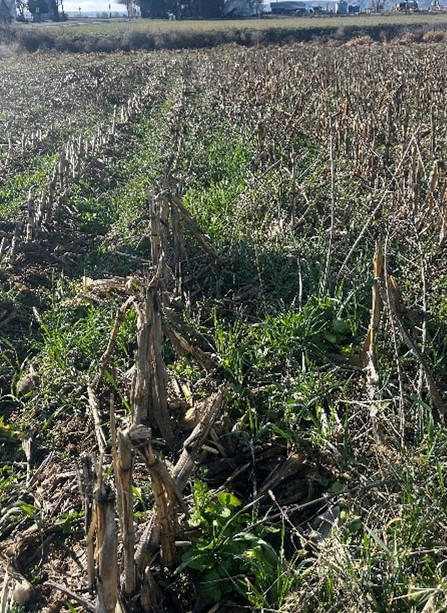
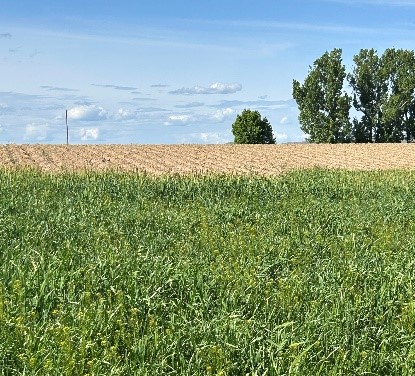
Recent small-seeding projects sponsored by the district—from drone-seeded cover crops to filter strips that protect our waterways.

Ready to talk about your land?
There’s no cost and no obligation—just practical advice from neighbors who care about Gem County.